Home > Products > Aluminum Extrusion Enclosure > Energy Storage System Housing
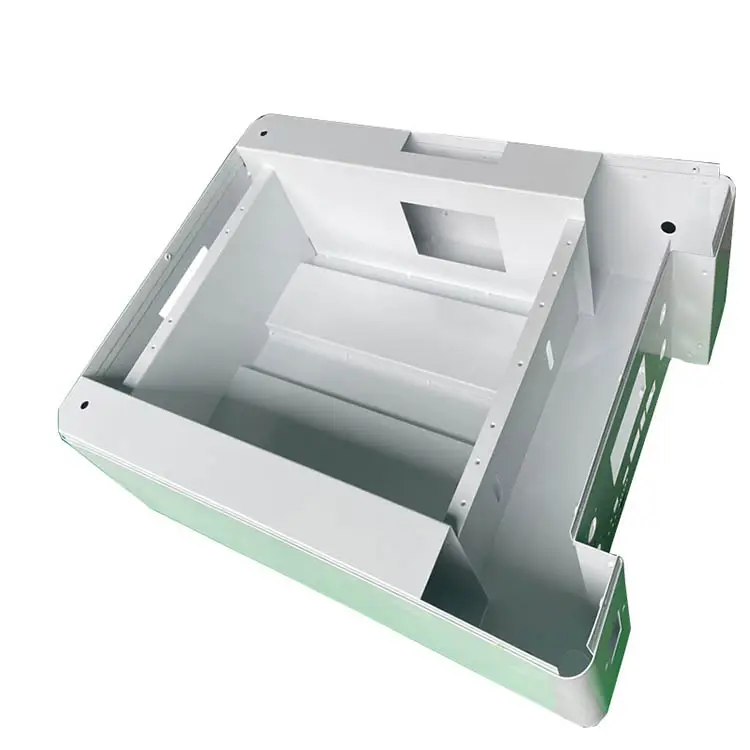
We fabricate sheet metal energy storage enclosures for battery pack assemblers, BESS integrators and OEM energy brands — cabinets, module housings, wall-mount boxes and rack frames in galvanised steel, SECC, 304/316L stainless or 5052 aluminium. Every panel is laser cut, CNC bent, rib-formed and welded to the model you supply, with gasket channels, cable entry and mounting interfaces built into the fabrication rather than added afterwards. Our plants in xiamen run cutting, forming, welding, finishing and inspection under one roof, and we have supplied sheet metal enclosures to 35 countries since 2005. Cells, BMS, busbars, thermal components and pack certification stay with the customer; the metal enclosure is ours.
A sheet metal enclosure is decided by two things that never appear on the drawing: how the heat went in, and which way the panel was folded. A 1.2 mm side panel welded in one continuous run pulls itself into a bow, and the door that fitted in the sample no longer closes on the cabinet. So the weld sequence is planned before the fixture is built — stitch welds alternated across the seam, the part held while it cools, then checked on a plate before it goes anywhere near the paint line. Bend order matters for the same reason: the last bend decides whether the earlier ones stay where the drawing put them.
Ribs are formed into the panel instead of welded on. A pressed rib costs nothing extra in the cycle, adds stiffness exactly where the battery modules press against the wall, and creates no heat-affected zone to distort or to rust from the inside. Edges are hemmed or flanged rather than left as a cut, because a galvanised cut edge is where a cabinet starts to show rust eighteen months into a coastal installation — and because a folded edge will not cut the installer's hands or the harness.
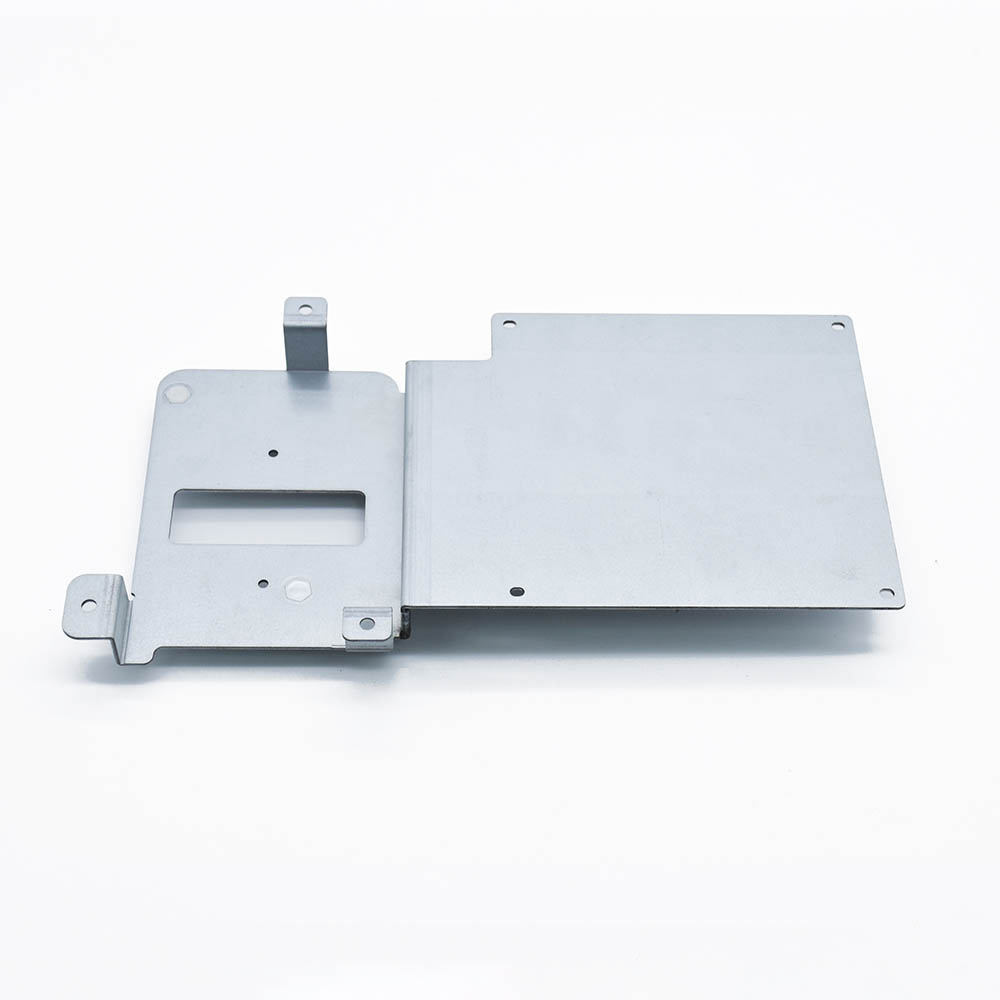
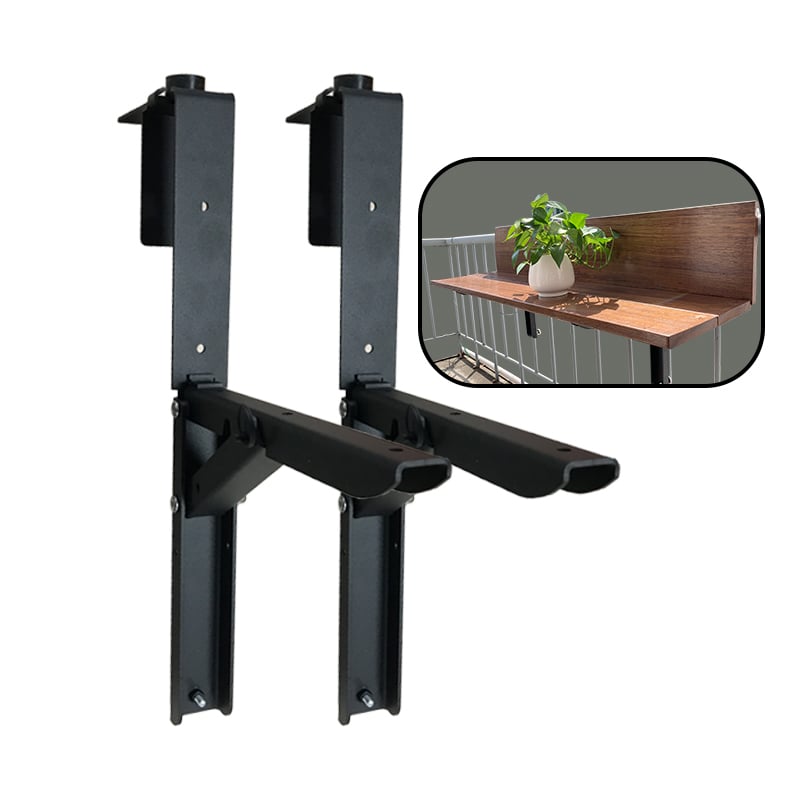
Residential wall-mount battery boxes and floor-standing cabinets; commercial and industrial BESS module housings; telecom backup enclosures; rack-mount battery trays and 19-inch frames; inverter and PCS enclosures; door panels, cover plates and internal mounting brackets for the same families. Fabrication follows the customer's 3D model and 2D drawing: material and gauge as specified, gasket channel to the profile of the seal being used, and cable entry positions opened in the flat pattern so the cut is clean and the edge is protected after coating.
A pressed rib stiffens the wall where the modules load it, adds no weld and no heat-affected zone, and leaves no crevice for condensation to sit in. Fewer parts, less distortion, and nothing to come loose under vibration.
Thin panels move when heat enters them. Stitch welds are alternated along the seam, the assembly is held in fixture while it cools, and flatness is checked on a plate before coating — so the door that was fitted at sample stage still fits at batch forty.
The last bend in a sequence decides whether the earlier ones survive. The flat pattern and bend order are issued together, which is why hole positions stay where the drawing put them after five bends rather than drifting by a millimetre.
Hemmed and flanged edges remove the exposed cut; where a cut edge is unavoidable it is de-burred by vibratory finishing rather than by hand. Galvanised sheet is touched up at the cut, because that is where a coastal cabinet fails first.
Gasket faces, mating flanges and threaded inserts are masked before powder coating, and threads are cleared afterwards. An 80 μm film on a 0.5 mm gap is how a cover stops seating — the masking is what keeps the assembly drawing true.
These enclosures are used in residential energy storage, commercial and industrial battery cabinets, telecom site backup, microgrid and off-grid systems, and inverter or PCS housings. Customers are pack assemblers, BESS integrators, energy brands and contract manufacturers who need the metal to arrive ready for cells, BMS and harnesses. Because fabrication starts from a model rather than a catalogue, one programme covers a wall unit, a 19-inch module frame and a door panel, and a repeat order is inspected against the drawing that produced the first article.
We quote from the model and the drawing, form and weld to the tolerances above, and ship with dimensional and coating records so incoming inspection can close before the carton is unpacked. We hold ISO 9001:2015, CE and RoHS, our factory is SGS-audited, and we have supplied sheet metal parts to 35 countries since 2005.
Send the 3D model, material and gauge, surface requirement and annual quantity — you will receive a DFM note covering bend relief, weld access and gasket channel geometry, with a quotation, within 24 hours on working days.
Do you supply the enclosure only, or the assembled battery system?
The metal enclosure only: shell, door, internal brackets, gasket channel and installed hardware. Cells, BMS, busbars, thermal pads and pack-level certification stay with you. If the drawing calls for rivet nuts, grounding hardware or a gasket retainer, those are part of our scope.
Can a sheet metal enclosure reach IP65?
The rating belongs to the assembled cabinet, not to the shell. What we control is the gasket channel profile, the flatness of the mating flange, the gland and fan cutouts, and the seam quality. We build to the seal you specify, and the IP test is carried out on the assembled unit.
How do you keep a thin panel from warping during welding?
Weld sequence, fixture and cooling: stitch welds alternated along the seam, the part restrained while it cools, then flattened and measured before finishing. Ribs are formed rather than welded so the panel has stiffness without additional heat input.
Which gauge do you run for battery cabinets?
From 1.0 to 2.5 mm in galvanised and cold-rolled steel, with stainless and aluminium where the environment calls for it. The gauge is your decision; we will flag at DFM where a thinner section will not hold flatness or thread depth.
What happens to the cut edges on galvanised sheet?
They are hemmed or flanged where the design allows, de-burred by vibratory finishing, and touched up with a zinc-rich coating where a cut is unavoidable. On coastal or chemical installations we would normally suggest stainless for the panels that see the weather.
Does powder coating affect the fit of covers and doors?
It does if the mating faces are coated. Gasket faces, flanges and thread bosses are masked before coating and the threads are cleared afterwards, so the clearance in your assembly drawing survives the paint line.
Is there tooling, and what is the minimum order?
No tooling for laser-cut and bent parts — the first piece is the drawing. One piece for a sample, three to seven working days; batch production fifteen to twenty working days with no container minimum.
What documents come with the shipment?
Material certificate, dimensional report, first article inspection, coating thickness readings and salt spray results where the project specifies them, packed with the goods so incoming inspection can be completed before unpacking.

Copyright © 2024 by Xiamen Tongchengjianhui Industry & Trade Co., Ltd. - Privacy policy