
Creating a custom metal chassis is an essential step in producing electronic and mechanical devices that require precision, durability, and functionality. The design process involves careful consideration of materials, structural integrity, thermal management, and manufacturability. A well-designed chassis ensures that internal components are properly supported while maintaining optimal device performance.
Custom metal chassis are used across a wide range of industries, including consumer electronics, industrial machinery, and medical equipment. By integrating advanced fabrication techniques such as CNC machining, laser cutting, and metal stamping, designers can produce complex geometries that meet exact specifications. Efficient design not only enhances the overall performance of the device but also supports rapid production and assembly.
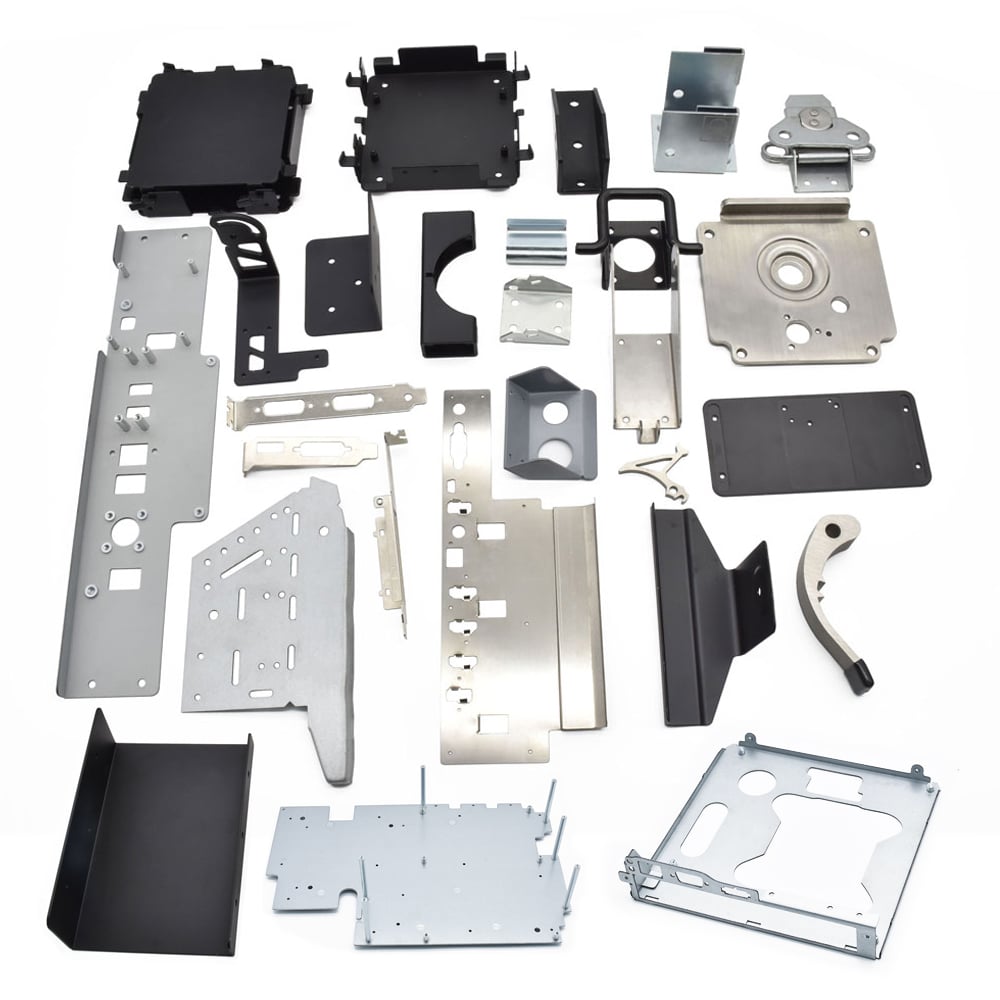
Selecting the appropriate metal is fundamental to chassis performance. Stainless steel provides excellent strength and corrosion resistance, making it suitable for protective enclosures and load-bearing components. Aluminum offers lightweight properties combined with good thermal conductivity, ideal for heat-sensitive applications. Copper and brass can also be incorporated for specialized electrical or decorative purposes. Material choice directly affects mechanical stability, thermal management, and long-term reliability of the chassis.
Material thickness influences rigidity and durability. Thicker metals provide enhanced strength but may increase weight, while thinner metals are easier to form but may require additional reinforcement to prevent deformation. Designers often incorporate ribs, gussets, and other reinforcement features to maintain structural integrity without significantly increasing weight. These strategies ensure the chassis can support internal components and resist external forces during use.
| Material Type | Typical Thickness Range | Mechanical Strength | Thermal Conductivity | Common Applications |
|---|---|---|---|---|
| Stainless Steel | 0.5 mm – 5 mm | High | 16 W/m·K | Enclosures, Industrial Equipment |
| Aluminum Alloy | 0.3 mm – 6 mm | Medium-High | 205 W/m·K | Electronic Casings, Heat Sinks |
| Copper | 0.2 mm – 4 mm | Medium | 400 W/m·K | Electrical Components |
| Brass | 0.3 mm – 4 mm | Medium | 120 W/m·K | Decorative Panels, Connectors |
Modern fabrication techniques such as laser cutting and CNC punching allow for precise component creation. Laser cutting ensures clean edges and minimal distortion, while CNC forming and bending provide accurate angles and curves. These methods enable the creation of chassis that precisely accommodate electronic or mechanical assemblies, improving fit and function.
Joining techniques are critical to chassis durability. Spot welding, rivets, and screws are commonly used to assemble sheet metal parts into a cohesive structure. Proper selection of joining methods ensures mechanical stability while maintaining ease of assembly. Considering assembly during the design phase allows for efficient production and reliable performance in the final product.
Thermal management is vital for electronic devices. Metals such as aluminum and copper facilitate heat transfer, reducing the risk of overheating. Designers can incorporate ventilation slots, heat sinks, and conductive pathways to ensure efficient cooling. Proper thermal design ensures device longevity and consistent performance under varying operational conditions.
Custom metal chassis often face environmental challenges, including humidity, temperature variations, and chemical exposure. Choosing corrosion-resistant metals like stainless steel and applying protective coatings enhance durability. Surface treatments such as anodizing, powder coating, or plating also improve resistance to scratches and wear, extending the lifespan of the chassis and the devices it houses.
Custom metal chassis allow designers to optimize internal layouts and external dimensions to accommodate specific components. Adjustable mounting points, removable panels, and modular designs enable engineers to refine the configuration for functionality, accessibility, and aesthetics. This adaptability ensures that each chassis meets both technical and visual requirements.
Surface finishing plays a crucial role in both appearance and performance. Brushed, polished, or coated finishes not only protect the chassis from corrosion and wear but also convey a high-quality, professional look. Custom finishes allow manufacturers to align the chassis with brand identity, making the product more appealing to end-users while maintaining durability and performance standards.
Using advanced fabrication techniques, designers can produce rapid prototypes to test fit, form, and function. Quick iterations help identify design flaws early, reducing the risk of costly modifications during mass production. Prototyping also enables evaluation of thermal management, structural stability, and assembly efficiency before committing to final manufacturing.
Efficient design choices in metal selection, thickness, and fabrication methods contribute to cost savings. Reducing material waste, selecting appropriate joining techniques, and streamlining production processes allow for lower overall costs while maintaining high-quality output. This balance of performance and cost efficiency is crucial for competitive manufacturing in both small-scale and large-scale production.
In consumer electronics, custom metal chassis provide protective enclosures for devices such as laptops, gaming consoles, and portable chargers. They ensure durability while supporting heat dissipation and component alignment. Precision fabrication also enhances aesthetics, contributing to product appeal in competitive markets.
Industrial machinery and medical devices rely on robust metal chassis to house sensitive components. Sheet metal fabrication allows for high-precision construction, ensuring reliability and compliance with performance standards. Durable and well-designed chassis protect internal components from mechanical stress and environmental hazards, improving product longevity and user safety.
Stainless steel, aluminum, copper, and brass are commonly used. Each material provides specific benefits such as corrosion resistance, thermal conductivity, and mechanical strength. Selecting the right material ensures durability and performance in the intended application.
Techniques like laser cutting, CNC bending, and precision stamping allow for high accuracy, clean edges, and consistent forms. Proper fabrication ensures that the chassis supports internal components reliably and meets mechanical and thermal requirements.
Efficient heat dissipation prevents overheating of electronic components. Incorporating ventilation, heat sinks, and conductive metals ensures stable operation, extends device lifespan, and maintains performance under various environmental conditions.

Copyright © 2024 by Xiamen Tongchengjianhui Industry & Trade Co., Ltd. - Privacy policy
