
Material selection plays a crucial role in determining the performance, durability, and functionality of a custom metal chassis. The choice of metals affects mechanical strength, thermal management, corrosion resistance, and manufacturability. A properly selected material ensures that the chassis supports internal components reliably while maintaining long-term structural integrity.
Custom metal chassis are widely used in electronics, industrial machinery, and medical equipment. The right material enhances thermal dissipation, reduces weight, and allows for precise fabrication using advanced techniques such as CNC bending, laser cutting, and metal stamping. By evaluating material properties during the design phase, engineers can optimize both performance and production efficiency.
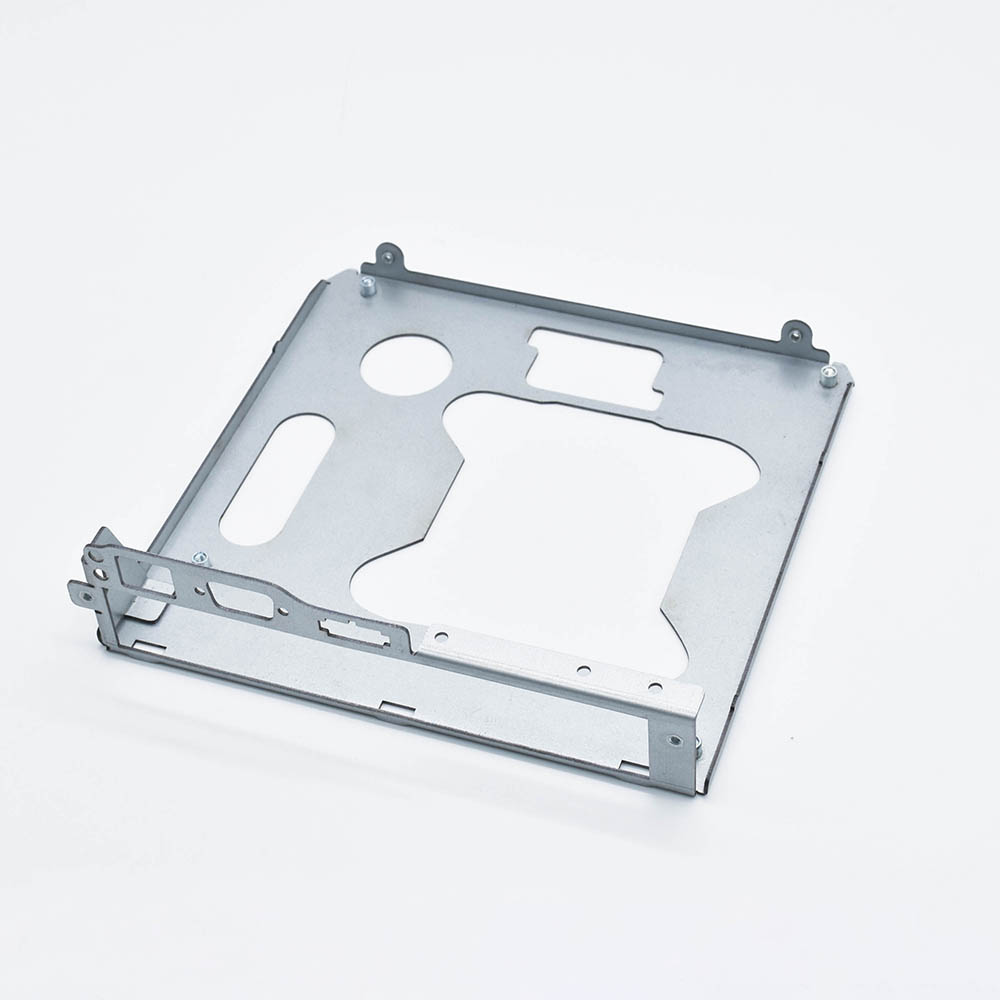
The mechanical strength of a material is a primary consideration for a custom metal chassis. Stainless steel provides high tensile strength and rigidity, making it suitable for heavy-duty applications. Aluminum alloys offer a good balance between strength and light weight, allowing for easier handling and improved portability in devices. The load-bearing capacity of the material ensures that the chassis can support internal components without deformation under operational stress, which is critical for maintaining device reliability and safety.
Material formability affects how easily the chassis can be shaped and fabricated. Thinner metals are generally easier to bend and form but may require reinforcement to prevent structural failure. Thicker materials provide additional strength but may increase production complexity and cost. Engineers must assess the trade-offs between flexibility and rigidity to ensure the chassis meets both design and functional requirements while allowing efficient fabrication.
Thermal performance is essential in electronics, where heat management affects both device reliability and safety. Aluminum is widely used in custom metal chassis for its high thermal conductivity, which facilitates efficient heat dissipation. Copper offers even higher thermal conductivity, suitable for specialized applications where heat management is critical. Stainless steel, while less thermally conductive, provides strength and corrosion resistance, making it ideal for enclosures that require durability along with moderate thermal performance.
The material selected for a chassis influences the design of heat management features such as ventilation slots, heat sinks, and conductive pathways. Effective thermal design ensures that electronic components remain within safe operating temperatures. Choosing a metal with appropriate conductivity and incorporating thermal management structures directly into the chassis design enhances device performance and prolongs lifespan.
| Material Type | Typical Thickness Range | Tensile Strength | Thermal Conductivity | Common Applications |
|---|---|---|---|---|
| Stainless Steel | 0.5 mm – 5 mm | 500 – 800 MPa | 16 W/m·K | Enclosures, Industrial Equipment |
| Aluminum Alloy | 0.3 mm – 6 mm | 200 – 400 MPa | 205 W/m·K | Electronic Casings, Heat Dissipation Panels |
| Copper | 0.2 mm – 4 mm | 210 – 400 MPa | 400 W/m·K | High-Performance Heat Management, Conductive Components |
| Brass | 0.3 mm – 4 mm | 300 – 500 MPa | 120 W/m·K | Decorative Panels, Electrical Connectors |
Corrosion resistance is a key factor in material selection for custom metal chassis, especially in environments exposed to moisture, chemicals, or temperature variations. Stainless steel offers excellent resistance to oxidation and corrosion, making it ideal for both indoor and outdoor applications. Aluminum develops a natural oxide layer that protects the metal, enhancing its durability. Selecting a corrosion-resistant material extends the lifespan of the chassis and reduces maintenance needs.
Applying surface treatments or protective coatings can further enhance the performance of the chassis. Techniques such as anodizing, powder coating, and electroplating provide additional protection against environmental damage. Surface finishing also improves aesthetics, allowing manufacturers to deliver both functional and visually appealing products. Proper treatment selection complements the inherent properties of the material, ensuring optimal performance and longevity.
The machinability of a material affects the ease and precision of fabrication. Metals like aluminum and brass are easy to cut, bend, and stamp, making them suitable for complex chassis designs. Stainless steel, while tougher to work with, can be effectively fabricated using modern CNC machines and laser cutting technologies. Evaluating machinability during material selection helps streamline production and ensures that prototypes and final products meet exact specifications.
Material choice influences the selection of joining methods, such as welding, riveting, or screwing. Compatible materials simplify assembly and improve structural integrity. Designers must consider how the chosen metal interacts with fasteners, adhesives, or coatings to ensure that the final chassis is both durable and manufacturable. Efficient assembly planning reduces production time and enhances overall product quality.
In consumer electronics, selecting the right material for custom metal chassis ensures durability, lightweight handling, and effective heat dissipation. Devices such as laptops, tablets, and gaming consoles benefit from carefully balanced material properties that enhance performance while maintaining a sleek design.
Industrial machinery and medical devices rely on high-strength, corrosion-resistant materials for critical components. Material-optimized custom metal chassis provide reliable protection for sensitive electronics, ensuring operational safety and compliance with regulatory standards. Thermal performance, structural integrity, and environmental resistance are all enhanced by strategic material selection.
Selecting materials involves thorough testing to validate mechanical, thermal, and corrosion properties. Tensile testing, hardness measurement, and thermal analysis confirm that the chosen material meets performance requirements. Such testing ensures that the custom chassis will withstand operational stresses and environmental conditions, maintaining reliability throughout its lifecycle.
Rapid prototyping using the selected materials allows engineers to evaluate design functionality and make necessary adjustments. Multiple iterations ensure optimal component fit, thermal management, and structural integrity before full-scale production. Material selection in the prototyping phase directly influences the efficiency and success of the final product design.
Material selection determines mechanical strength, thermal management, corrosion resistance, and overall durability. Choosing the right metal ensures that the chassis supports internal components reliably while meeting performance and environmental requirements.
Stainless steel, aluminum alloys, copper, and brass are widely used. Each material offers specific advantages in strength, thermal conductivity, corrosion resistance, and machinability, depending on the application.
Aluminum and copper provide high thermal conductivity, allowing effective heat dissipation in electronic devices. Stainless steel offers moderate thermal performance but provides superior strength and corrosion resistance. Material choice directly influences heat management strategies in the chassis design.

Copyright © 2024 by Xiamen Tongchengjianhui Industry & Trade Co., Ltd. - Privacy policy
