
Sheet metal fabrication has become a cornerstone of rapid prototyping in the electronics industry. Its ability to transform digital designs into functional metal components quickly and accurately enables manufacturers to test and refine devices without the delays associated with traditional production methods. By integrating advanced cutting, bending, and stamping technologies, sheet metal fabrication allows engineers to produce precise enclosures, brackets, and frames that replicate the final product’s specifications.
Rapid prototyping using sheet metal not only reduces development cycles but also provides tangible benefits in testing heat management, mechanical strength, and assembly workflows. The flexibility of the fabrication process ensures that multiple iterations can be produced efficiently, allowing engineers to evaluate and optimize designs before committing to mass production. This combination of speed, accuracy, and adaptability highlights why sheet metal fabrication is an essential tool for electronics development.
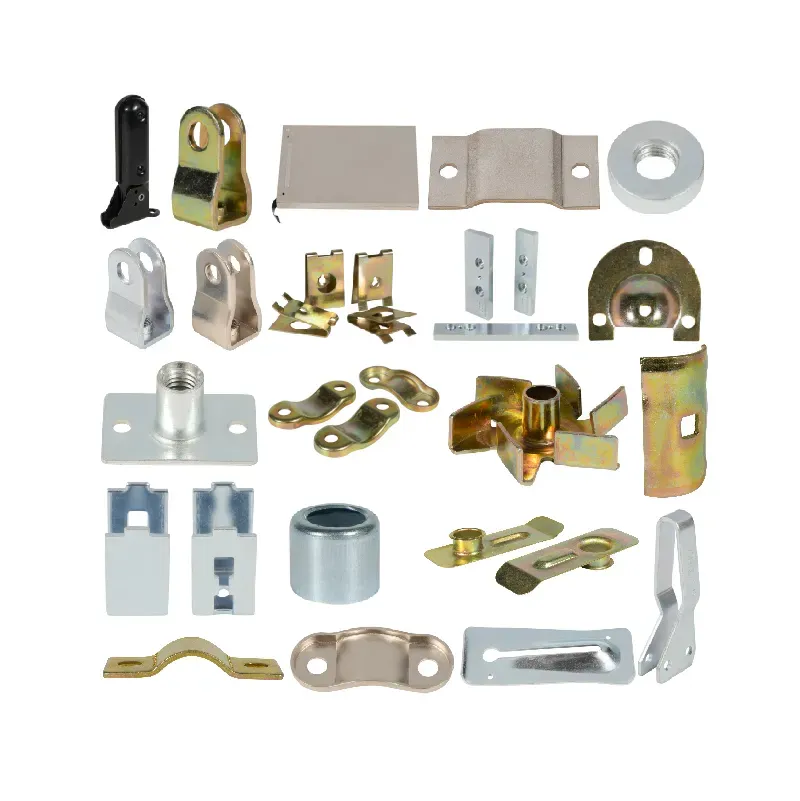
The choice of material in sheet metal fabrication directly affects prototype performance. Stainless steel offers high strength and corrosion resistance, making it suitable for durable enclosures and internal frames. Aluminum, due to its lightweight and high thermal conductivity, is ideal for heat-sensitive electronics, allowing engineers to evaluate cooling efficiency in prototypes. Copper and brass are often incorporated where electrical conductivity or decorative finishes are required.
Accurate material selection ensures that prototypes closely mimic the properties of the final product, providing reliable performance data. This step is critical to validate design concepts and identify potential improvements early in the development process.
Material thickness impacts both the structural integrity and flexibility of the prototype. Thicker sheets provide greater strength but may reduce ease of bending and shaping. Thinner sheets offer lightweight solutions but must be carefully formed to prevent deformation. Engineers can experiment with different thicknesses during rapid prototyping to determine optimal balance between strength, weight, and manufacturability.
| Material Type | Thickness Range | Typical Applications | Thermal Conductivity | Durability |
|---|---|---|---|---|
| Stainless Steel | 0.3 mm – 5 mm | Enclosures, Brackets | 16 W/m·K | High |
| Aluminum Alloy | 0.5 mm – 6 mm | Heat Sinks, Casings | 205 W/m·K | Medium-High |
| Copper | 0.2 mm – 4 mm | Electrical Components | 400 W/m·K | Medium |
| Brass | 0.3 mm – 4 mm | Decorative Panels | 120 W/m·K | Medium |
Laser cutting and precision stamping are pivotal in reducing prototype production time. Laser cutting allows intricate designs to be executed quickly with minimal material distortion, while stamping provides repeatable forms for complex geometries. The combination of these techniques ensures prototypes match design specifications and can be evaluated for fit, alignment, and function.
The speed and accuracy of these methods are particularly advantageous when multiple iterations are needed to refine an electronic device’s enclosure or structural components. This approach accelerates decision-making and reduces the number of design cycles required before final production.
CNC bending and forming enable the creation of precise angles and curves essential for functional prototypes. Automated bending ensures consistent results across multiple pieces, which is crucial when testing assembly processes or evaluating mechanical interactions within compact devices. The repeatability provided by CNC systems allows engineers to make incremental adjustments, compare variations, and identify the best design solution quickly.
Rapid prototypes made from sheet metal allow engineers to test thermal performance before committing to final production. Metals such as aluminum facilitate efficient heat dissipation, which is essential for devices with high power density. Engineers can assess cooling strategies, ventilation placements, and heat sink integration directly on the prototype, ensuring the final product maintains stable operation under varying conditions.
Prototype enclosures created through sheet metal fabrication provide an accurate representation of mechanical strength and fit. Engineers can evaluate assembly ease, check for interference issues, and measure component alignment. This hands-on validation is critical to prevent costly modifications during mass production and ensures the final product meets functional and ergonomic requirements.
Computer-Aided Design (CAD) software integration with sheet metal fabrication enables rapid translation from virtual models to physical prototypes. Designs can be optimized digitally for cutting paths, bend allowances, and assembly alignment, reducing the risk of errors during production. CAD-driven prototyping allows for rapid iterations, enabling designers to evaluate multiple configurations and refine device performance before producing a final batch.
Before physical fabrication, simulation tools can predict how a sheet metal prototype will behave under mechanical and thermal loads. Virtual testing helps identify potential weak points, allowing engineers to adjust dimensions, select alternative materials, or modify component placement. This process complements physical prototyping by reducing trial-and-error cycles and enhancing overall efficiency.
The primary advantage of using sheet metal fabrication for electronics prototyping is the reduced lead time. Traditional production methods may require extensive tooling and preparation, whereas sheet metal processes can produce functional parts within days. Quick iterations allow designers to implement changes immediately, accelerating the product development lifecycle and bringing electronics to market faster.
Rapid prototyping with sheet metal minimizes material waste and optimizes resource use. With flexible cutting patterns and minimal setup requirements, small runs are cost-effective, allowing designers to test multiple variants without significant financial risk. This cost efficiency supports innovation by enabling experimentation with new designs and materials.
In consumer electronics, sheet metal fabrication supports the production of durable, lightweight, and aesthetically pleasing prototypes. Laptops, tablets, and portable chargers benefit from rapid iterations, allowing designers to test ergonomics, assembly, and thermal performance effectively.
Industrial and medical electronics often demand high-precision prototypes to verify functional reliability. Sheet metal fabrication allows for the creation of enclosures that meet strict mechanical and environmental requirements, ensuring that devices operate correctly and safely during testing phases.
Sheet metal fabrication provides quick production of functional prototypes, allowing engineers to evaluate fit, function, and performance. Its flexibility enables multiple iterations, reducing development cycles and accelerating product launches.
Stainless steel, aluminum, copper, and brass are commonly used. Each material offers specific advantages such as durability, lightweight properties, thermal management, and electrical conductivity, ensuring prototypes accurately reflect final product characteristics.
Laser cutting, precision stamping, and CNC bending are key techniques. These methods provide speed, accuracy, and repeatability, essential for evaluating mechanical structures and ensuring proper assembly during prototyping.

Copyright © 2024 by Xiamen Tongchengjianhui Industry & Trade Co., Ltd. - Privacy policy
