
Stainless steel enclosures are essential for protecting sensitive electrical and mechanical components in industrial environments. They combine superior strength, corrosion resistance, and aesthetic appeal, making them widely used in industries like automation, telecommunications, food processing, and marine applications. The performance of a stainless steel enclosure largely depends on two key factors: design and material selection. Both directly influence its durability, protection level, and suitability for different environments.
When choosing or designing stainless steel enclosures, engineers must balance functionality, cost, and environmental conditions. For instance, the material grade affects corrosion resistance, while design features determine the ease of installation, ventilation, and maintenance. By understanding these relationships, manufacturers can create enclosures that ensure long-term protection and reliable operation in demanding conditions.
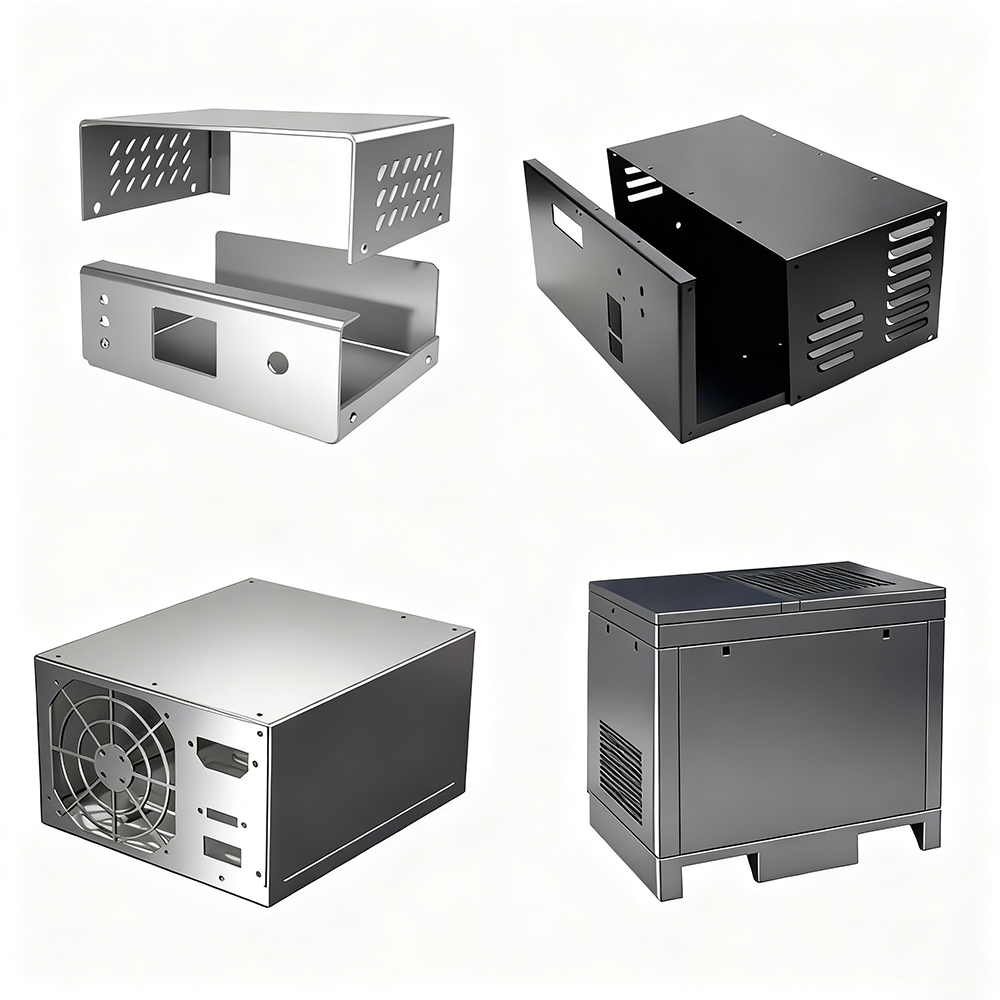
The structural design of a stainless steel enclosure affects how well it withstands external forces such as impact, vibration, or mechanical stress. Thicker panels and reinforced corners improve rigidity, while welded seams ensure a tight and durable structure. For high-vibration environments, additional internal bracing and mounting supports can prevent deformation over time.
Proper ventilation design helps manage heat inside the enclosure. Without sufficient airflow, electrical components may overheat, leading to premature failure. Engineers often incorporate louvers, filters, or fans to improve heat dissipation while maintaining the IP protection level. The choice between sealed and ventilated designs depends on the application’s temperature and dust exposure levels.
Ease of access is another critical aspect of enclosure design. Hinged doors, quick-release fasteners, and removable panels simplify maintenance and inspection. Additionally, incorporating ergonomic handles and secure locking mechanisms enhances user safety and prevents unauthorized access.
| Material Grade | Composition (Main Elements) | Corrosion Resistance | Typical Applications | Surface Finish Options |
|---|---|---|---|---|
| 304 Stainless Steel | 18% Cr, 8% Ni | Excellent in general environments | Indoor & mild outdoor | Brushed, polished |
| 316 Stainless Steel | 16% Cr, 10% Ni, 2% Mo | Superior in marine and chemical environments | Coastal, food, chemical | Brushed, mirror |
| 430 Stainless Steel | 16% Cr | Moderate, magnetic | Indoor, low-cost enclosures | Matte, brushed |
| 201 Stainless Steel | 17% Cr, 4% Ni | Fair resistance, cost-effective | Indoor, decorative | Polished, satin |
The material composition determines how stainless steel performs under different environmental conditions. For instance, 316 stainless steel provides exceptional corrosion resistance due to its molybdenum content, making it ideal for marine or chemical industries. In contrast, 304 stainless steel offers a balanced combination of strength and affordability, suitable for most indoor and outdoor applications.
The finish of stainless steel not only enhances appearance but also affects corrosion resistance. Polished or mirror finishes reduce surface roughness, making it harder for contaminants to accumulate. Brushed finishes, while visually appealing, may require more maintenance in harsh conditions. Proper surface treatment extends the enclosure’s lifespan and simplifies cleaning.
Material thickness impacts both strength and fabrication flexibility. Thicker sheets improve mechanical protection but increase weight and cost. On the other hand, thinner materials are easier to stamp and form, allowing for intricate designs. A balance between strength and manufacturability ensures the enclosure meets both performance and economic requirements.
Stainless steel stamping ensures dimensional accuracy and consistency in enclosure parts. High-precision stamping minimizes welding and assembly errors, resulting in a tighter, more robust structure. It also enables mass production while maintaining uniform quality across all units.
Welding quality directly affects the enclosure’s strength and sealing ability. TIG welding is commonly used for stainless steel because it produces clean and strong joints with minimal deformation. Proper welding techniques prevent moisture ingress and maintain the enclosure’s IP rating.
After fabrication, stainless steel surfaces undergo polishing and passivation to remove contaminants and improve corrosion resistance. The passivation process forms a protective oxide layer that enhances the metal’s natural resistance to rust and oxidation. This finishing step is crucial for ensuring long-term durability, especially in corrosive or humid environments.
For indoor environments, stainless steel enclosures should prioritize compactness and ease of installation. Lightweight materials and modular designs allow for flexible placement, while maintaining sufficient protection against dust and mechanical impact.
Outdoor or coastal installations demand enhanced corrosion resistance and weatherproofing. Using 316 stainless steel and reinforced seals can prevent saltwater or chemical damage. Additionally, UV-resistant coatings and double-sealed gaskets protect components from sunlight and moisture.
In the food and pharmaceutical industries, enclosures must meet strict hygiene standards. Smooth surfaces, minimal seams, and rounded edges reduce bacterial buildup and simplify cleaning. Using high-grade stainless steel with polished finishes ensures both safety and compliance with hygiene regulations.
The performance of stainless steel enclosures is also evaluated based on international protection standards. IP (Ingress Protection) ratings define resistance to dust and water, while NEMA ratings categorize protection levels in North America. For example, an IP66-rated enclosure offers total dust protection and can withstand powerful water jets, suitable for outdoor installations.
Thermal management is essential to prevent overheating of enclosed equipment. Stainless steel itself conducts heat, so designers may add thermal barriers, insulation layers, or ventilation systems to maintain safe operating temperatures. This ensures optimal performance and reliability for electrical systems.
Custom stainless steel enclosures allow for specific dimensions and mounting styles that perfectly fit client requirements. Adjustable brackets, modular frames, and wall-mounted or floor-standing options provide flexibility for diverse applications.
With the rise of Industry 4.0, enclosures are increasingly designed to house sensors, controllers, and communication modules. Integrating these smart features requires precise cutouts and cable management solutions to maintain protection without compromising accessibility.
Before delivery, stainless steel enclosures undergo rigorous testing to verify performance under stress, vibration, and corrosion exposure. These tests ensure that the enclosure maintains integrity even in extreme conditions.
Leading manufacturers follow ISO, IEC, and UL standards to ensure consistent quality and global compatibility. Strict inspection protocols guarantee that every enclosure meets specified tolerances and protection levels.
316 stainless steel is typically the best choice for outdoor or marine applications due to its superior corrosion resistance and strength. It can withstand saltwater and harsh weather conditions, ensuring long-term durability.
Proper design ensures that electrical components are isolated from moisture, dust, and vibration. Features such as sealed doors, gaskets, and grounded panels help maintain electrical safety and prevent short circuits.
Regular cleaning, inspection of seals, and removal of surface contaminants are recommended. Even though stainless steel resists rust, keeping surfaces clean helps maintain its aesthetic and functional qualities over time.

Copyright © 2024 by Xiamen Tongchengjianhui Industry & Trade Co., Ltd. - Privacy policy
