
Stainless steel enclosures are widely used in industrial, commercial, and residential applications due to their durability, corrosion resistance, and aesthetic appeal. Proper maintenance ensures these enclosures remain functional and visually appealing for decades. Neglecting regular care can lead to surface degradation, rust formation, and mechanical issues, which could compromise both safety and performance. In this article, we will explore comprehensive maintenance tips that promote the longevity of stainless steel enclosures.
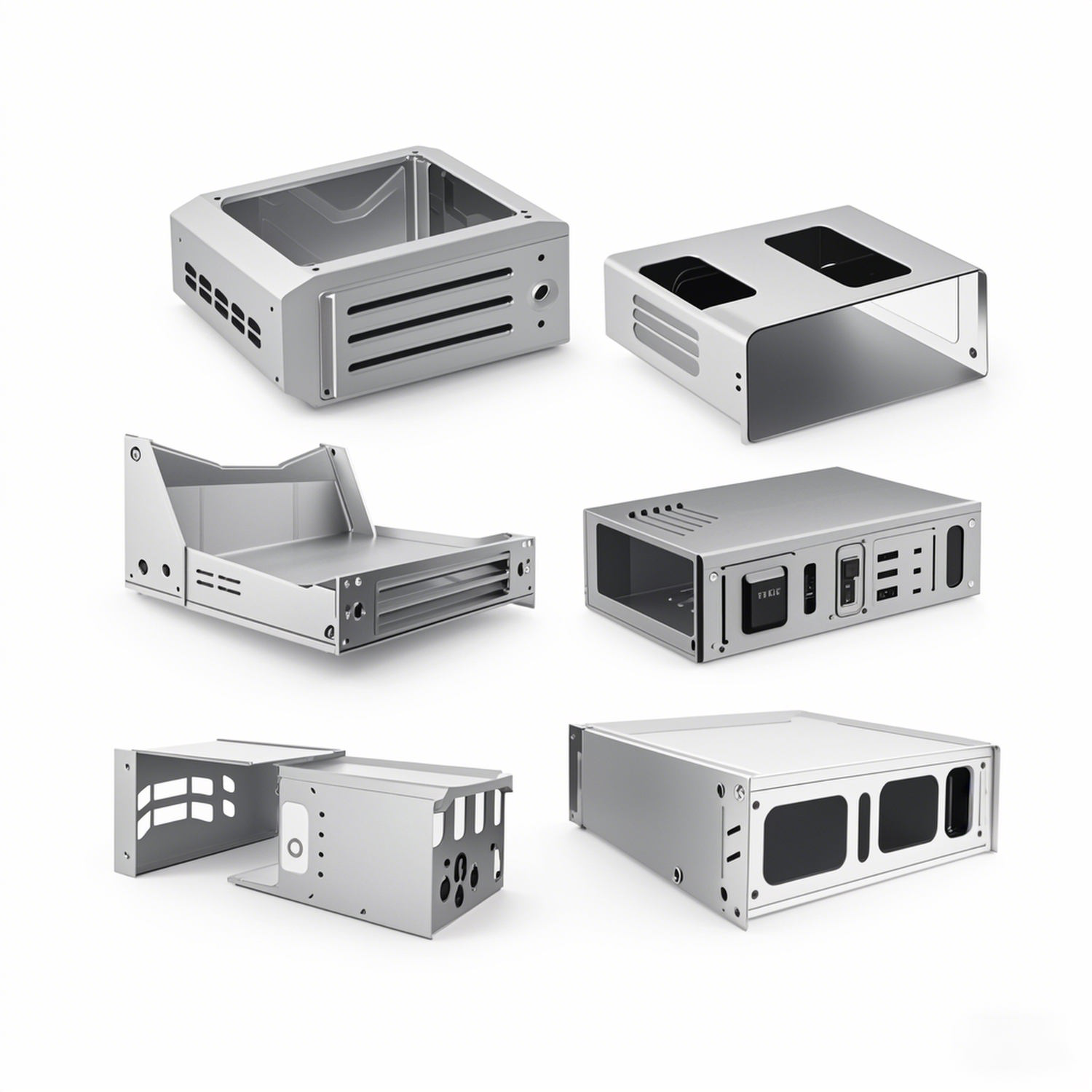
Using the right cleaning agents is crucial for maintaining stainless steel enclosures. Mild detergents or dedicated stainless steel cleaners are preferred. Harsh chemicals, such as bleach or chloride-based products, can damage the protective oxide layer, leading to corrosion and discoloration. Regular cleaning with safe agents maintains the material’s integrity and shine.
How often should enclosures be cleaned? High-traffic or outdoor enclosures may require weekly cleaning, while indoor units might need monthly attention. Using soft cloths or non-abrasive sponges ensures that the surface is not scratched during cleaning. For stubborn stains, warm water with mild soap followed by thorough drying prevents watermarks and rust formation.
Stainless steel enclosures installed in coastal or industrial environments face increased risk of corrosion due to salt or chemical exposure. Applying a protective wax or coating periodically can act as a barrier against harsh conditions, extending the life of the enclosure. Ensuring proper ventilation around the enclosure also reduces moisture buildup.
Mechanical impacts, scratches, and dents not only compromise aesthetics but also reduce corrosion resistance. Installing enclosures in areas with minimal risk of impact, or using protective guards, helps maintain the structural integrity. Regular inspections for minor damages allow timely repairs before they escalate.
Polishing stainless steel enclosures restores their luster and removes minor surface imperfections. Passivation, a chemical treatment that enhances the chromium oxide layer, can further improve corrosion resistance. Regular application of these processes is especially beneficial for enclosures in high-moisture or chemically aggressive environments.
Fingerprints, oils, and dust accumulate over time and can lead to surface staining if neglected. Using microfiber cloths and light cleaning solutions removes residues without harming the protective surface. A consistent approach to handling these small contaminants maintains both aesthetics and longevity.
How can routine inspections enhance longevity? Checking hinges, locks, and seals for wear ensures that the enclosure remains operational and secure. Inspecting welds and fasteners periodically helps detect potential weaknesses, allowing proactive maintenance before serious issues develop.
Small scratches, loose fittings, or minor corrosion spots should be addressed immediately. Using touch-up treatments or replacing damaged components prevents minor issues from escalating into costly repairs. Maintaining detailed logs of inspection and repairs ensures consistent care and helps identify recurring problems.
Different stainless steel grades offer varying levels of corrosion resistance and mechanical strength. Selecting the appropriate grade for the environment is critical. For example, 304 and 316 grades are commonly used for enclosures, with 316 providing superior resistance in harsh conditions. Choosing the right material ensures optimal durability and reduces maintenance requirements.
The table below outlines key stainless steel enclosure parameters, inspired by standard stamping and fabrication data:
| Parameter | Typical Value / Recommendation |
|---|---|
| Material Grade | 304, 316 stainless steel |
| Thickness | 1.0 mm – 3.0 mm |
| Surface Finish | Brushed, mirror, or matte |
| Cleaning Frequency | Weekly for outdoor, monthly for indoor |
| Recommended Cleaner | Mild detergent or stainless steel-specific cleaner |
| Protective Coating | Optional wax or passivation treatment |
| Inspection Interval | Monthly or quarterly depending on environment |
| Maximum Operating Temperature | 150°C – 200°C |
Using a mild detergent or stainless steel-specific cleaner with a soft cloth is ideal. Avoid abrasive materials and chloride-based products that may compromise the protective surface.
Enclosures in high-traffic or outdoor environments should be inspected monthly, while indoor units may be checked quarterly. Inspections should include hinges, seals, and surface condition.
Yes, scratches can reduce corrosion resistance. Promptly addressing minor scratches with polishing or touch-up treatments prevents long-term damage.

Copyright © 2024 by Xiamen Tongchengjianhui Industry & Trade Co., Ltd. - Privacy policy
