
Modern sheet metal fabrication has become a cornerstone of industrial manufacturing, shaping everything from automotive components to intricate electronic housings. This process combines advanced technology, high precision, and cost-effective production methods to deliver high-quality metal parts for a wide range of industries. By continuously improving processes such as laser cutting, CNC bending, and stamping, sheet metal fabrication ensures both flexibility and scalability.
The industry’s progress is largely driven by automation, digital modeling, and improved material performance. These innovations not only enhance accuracy but also reduce waste and energy consumption. As manufacturing demands become more diverse, companies are adopting smarter fabrication systems to produce small batches with high customization. This shift demonstrates the remarkable adaptability and importance of modern sheet metal fabrication in today’s competitive market.
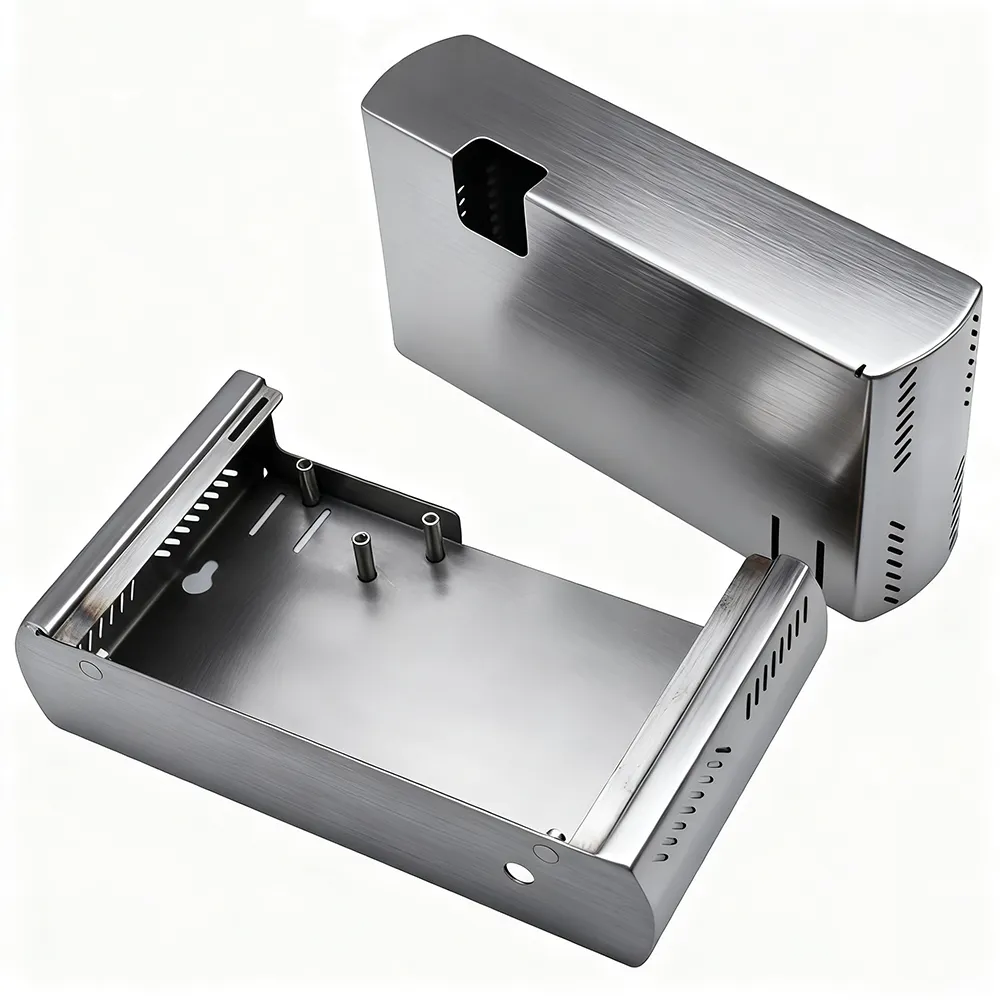
CNC machining plays a vital role in achieving tight tolerances in sheet metal fabrication. Through computer-controlled operations, complex shapes and designs can be cut and formed with incredible consistency. This precision ensures that each part meets exact specifications without manual intervention. Additionally, CNC systems enable quick production transitions, making it possible to switch from one design to another with minimal downtime. Such flexibility is essential in small and large-scale production alike, contributing to shorter lead times and lower costs.
Laser cutting has revolutionized sheet metal fabrication by providing clean edges, intricate detail, and faster processing. The use of high-powered lasers allows manufacturers to cut various metals, including stainless steel, aluminum, and carbon steel, with minimal heat distortion. When integrated with automation systems, laser cutters can operate continuously, improving productivity and maintaining consistent quality. The combination of speed and precision makes laser cutting one of the most valuable innovations in the fabrication industry.
The choice of material significantly influences the outcome of sheet metal fabrication. Recent developments in alloy engineering have led to materials that are both lighter and stronger, improving energy efficiency in end products. Aluminum and titanium alloys, for example, are increasingly popular due to their superior strength-to-weight ratios. These materials enable manufacturers to produce high-performance components without compromising durability.
Sustainability has become an important factor in modern sheet metal fabrication. The demand for corrosion-resistant and recyclable metals such as stainless steel continues to grow. These materials extend product lifespan while minimizing environmental impact. Advanced coating and finishing technologies also contribute to longer-lasting components by providing additional protection against wear and oxidation. As a result, eco-friendly materials are now central to the evolution of fabrication processes.
The integration of Computer-Aided Design (CAD) and Computer-Aided Manufacturing (CAM) systems has transformed the efficiency of sheet metal fabrication. Engineers can now design complex structures in CAD software and directly convert them into production-ready data for CAM operations. This digital link minimizes errors between design and manufacturing, ensuring that parts are fabricated exactly as intended. It also allows for quick modifications, enabling designers to adapt to client requirements instantly.
Smart manufacturing systems enhance the transparency and control of sheet metal fabrication processes. Through real-time monitoring and data analytics, operators can track machine performance, predict maintenance needs, and optimize production schedules. This intelligent approach reduces downtime, increases productivity, and ensures consistent quality. With the help of IoT and AI technologies, the entire fabrication line becomes more adaptive and responsive to changing demands.
Quality assurance is at the heart of every sheet metal fabrication process. Innovations such as 3D scanning, laser measurement, and digital imaging enable manufacturers to inspect components with unparalleled accuracy. These systems can detect minute deviations that would be invisible to the naked eye, ensuring every part aligns with the required standards. Automated inspection tools further streamline the process, providing reliable and repeatable quality checks across all production stages.
To maintain global competitiveness, sheet metal fabrication must adhere to international quality and safety standards such as ISO 9001 and ISO 14001. Compliance ensures consistent results and builds trust with clients worldwide. Manufacturers invest heavily in standardized processes and certifications to guarantee that every product meets or exceeds customer expectations. This dedication to quality has become a defining characteristic of modern fabrication facilities.
| Parameter | Description | Typical Range / Value |
|---|---|---|
| Material Thickness | Determines flexibility and strength | 0.2 mm – 12 mm |
| Tolerance | Defines precision level of the finished part | ±0.05 mm – ±0.5 mm |
| Surface Finish | Affects corrosion resistance and appearance | Brushed, Polished, Anodized |
| Bending Radius | Influences part formability | 0.5 × Thickness – 2 × Thickness |
| Cutting Method | Determines edge quality and accuracy | Laser, Plasma, or Waterjet |
| Production Volume | Impacts tooling and cost efficiency | Prototype to Mass Production |
| Coating Options | Adds protection and aesthetics | Powder Coating, Electroplating |
Sheet metal fabrication is widely used in producing enclosures, brackets, and frames for electronics. Precision cutting and bending allow for compact yet durable housings that protect internal components. With the growing demand for smaller, more efficient devices, fabrication technologies play an essential role in achieving lightweight and heat-resistant designs.
In the automotive and aerospace sectors, sheet metal fabrication is indispensable for creating body panels, engine housings, and structural elements. The process ensures parts are both strong and aerodynamic. Fabricated components are subjected to high-performance standards, ensuring reliability and safety under extreme conditions. This versatility highlights the process’s value across different industries.
Common materials include stainless steel, aluminum, copper, and carbon steel. Each offers specific advantages—stainless steel provides corrosion resistance, aluminum ensures light weight, and carbon steel delivers strength and cost efficiency. The choice depends on the application’s structural and environmental requirements.
Automation reduces human error, speeds up production, and ensures consistency. Robotic arms, automated feeders, and laser cutters can run continuously, maintaining quality and throughput while lowering operational costs.
Digital systems improve design accuracy, shorten production times, and simplify communication between design and manufacturing teams. They also allow for real-time adjustments, minimizing waste and improving overall process control.

Copyright © 2024 by Xiamen Tongchengjianhui Industry & Trade Co., Ltd. - Privacy policy
