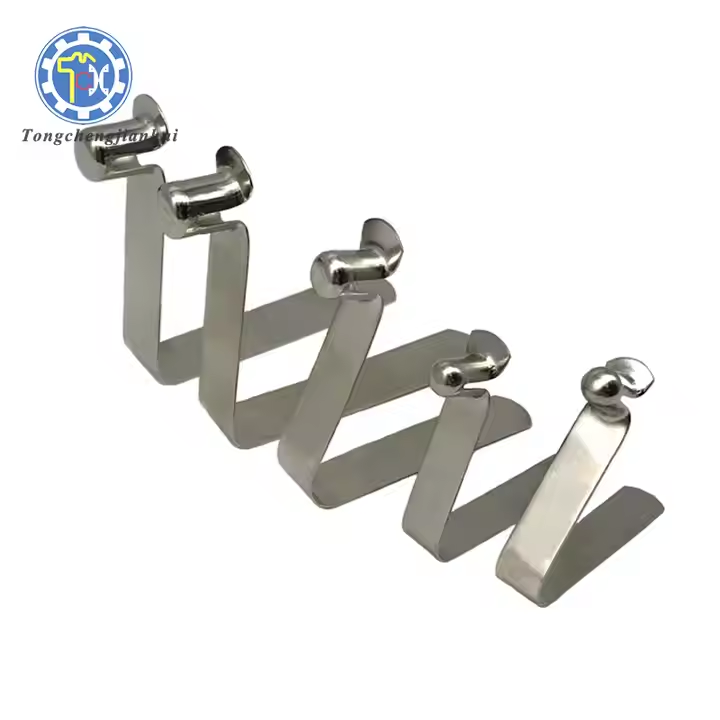
what are the key advantages of sheet metal fabrication for small devices-2

News

Home >  News

What Are the Key Advantages of Sheet Metal Fabrication for Small Devices?

Time: 2025-10-17

In the development of compact and high-performance electronic products, sheet metal fabrication has become a key process for creating durable, lightweight, and aesthetically appealing enclosures. Small devices—from consumer gadgets to medical instruments—require structural components that combine strength, precision, and flexibility. Sheet metal fabrication allows manufacturers to meet these demands while maintaining efficiency and cost-effectiveness.

This manufacturing process includes cutting, bending, stamping, and welding to shape metals like stainless steel, aluminum, and copper into functional structures. With advanced fabrication technologies, such as CNC machining and laser cutting, it is possible to achieve tight tolerances and complex geometries. As a result, sheet metal fabrication offers unique advantages for small devices that rely on accuracy, thermal management, and compact design.

image(0f8b267c88).png

Material Selection and Structural Efficiency

Material Types and Their Properties

The selection of materials for sheet metal fabrication plays a critical role in determining product performance. Stainless steel provides excellent corrosion resistance and mechanical strength, making it ideal for enclosures and chassis. Aluminum, on the other hand, offers a lightweight solution with high thermal conductivity, suitable for electronic housings and heat-dissipating parts. Copper and brass are also used when superior conductivity or decorative finishes are needed.

Material Type Density (g/cm³) Thermal Conductivity (W/m·K) Corrosion Resistance Common Applications
Stainless Steel 7.9 16 Excellent Enclosures, Brackets, Medical Devices
Aluminum Alloy 2.7 205 Good Electronic Casings, Heat Sinks
Copper 8.9 400 Fair Electrical Components
Brass 8.5 120 Moderate Decorative Panels, Connectors

By choosing the right material, manufacturers ensure small devices achieve the right balance between durability, appearance, and function. The material’s mechanical and thermal characteristics directly influence how efficiently the final product performs.

Lightweight Design Benefits

For small electronic or portable devices, weight reduction is essential. Sheet metal fabrication enables engineers to create thin yet strong parts that maintain rigidity while minimizing overall weight. Aluminum and stainless steel sheets, when formed precisely, deliver the strength-to-weight ratio necessary for mobility and efficiency.

Lightweight designs not only improve usability but also reduce energy consumption during transport and operation. For battery-powered products, this translates into longer operational life and improved sustainability, which further enhances brand competitiveness.

Production Efficiency and Cost Control

High-Precision Manufacturing

Modern sheet metal fabrication integrates computer-aided design (CAD) and computer numerical control (CNC) technologies to achieve exceptional accuracy. Processes such as laser cutting and automated bending ensure consistent quality across batches, reducing errors and rework. For small devices with compact structures, this level of precision ensures that every component fits perfectly, preventing performance issues.

Accurate fabrication also simplifies assembly, as all parts align seamlessly. This consistency strengthens the manufacturer’s reputation for quality and reliability—factors that are especially critical in industries such as medical electronics and instrumentation.

Cost-Effective Manufacturing Process

Compared with alternative manufacturing methods like die casting or 3D printing, sheet metal fabrication provides an economical balance between production cost and performance. Once the tooling setup is complete, high-volume production becomes faster and more cost-efficient.

The ability to reuse materials and optimize sheet layouts further reduces waste. For small devices, which often require multiple prototype iterations, sheet metal fabrication offers short lead times and low development costs, making it ideal for startups and specialized OEM manufacturers.

Flexibility and Customization Capabilities

Design Flexibility in Sheet Metal Fabrication

One of the greatest advantages of sheet metal fabrication for small devices is design flexibility. Engineers can create intricate shapes, bends, and patterns that meet specific mechanical or visual requirements. This flexibility enables rapid adjustments during the design phase without significant cost increases.

The ability to modify dimensions or integrate additional features—such as slots, vents, or mounting points—allows manufacturers to tailor each enclosure to the device’s functionality. Customization also enhances brand identity, as the physical design can align with the company’s aesthetic preferences.

Surface Finishing and Appearance Options

Surface finishing techniques not only protect sheet metal components but also enhance their visual appeal. Depending on the application, finishes such as powder coating, anodizing, or brushing can be applied to achieve desired effects like matte, glossy, or metallic surfaces.

A well-executed finish communicates product quality and professionalism. For small consumer devices, this visual refinement can determine purchasing decisions. Beyond aesthetics, coatings add a layer of corrosion and scratch resistance, extending product longevity and improving the user experience.

Durability and Performance Enhancement

Mechanical Strength and Protection

Despite their thin structure, fabricated sheet metal parts offer outstanding strength and rigidity. This robustness ensures that small devices can withstand mechanical stress, vibrations, and external impact. In particular, stainless steel and aluminum enclosures are widely used in environments where durability and precision are equally important.

The uniformity achieved through fabrication ensures that every enclosure performs consistently under various conditions. This reliability translates into fewer product failures, lower maintenance costs, and improved user satisfaction—essential benefits for consumer and industrial electronics alike.

Heat Management Capabilities

For compact devices, effective heat dissipation is vital. Sheet metal fabrication allows designers to integrate ventilation holes, heat sinks, or thermally conductive materials into the structure. Metals such as aluminum efficiently transfer heat away from sensitive components, maintaining stable operation and extending product lifespan.

By combining functional and structural advantages, fabricated sheet metal enclosures enhance the overall performance of small electronic systems. This makes them indispensable in sectors like telecommunications, computing, and healthcare equipment manufacturing.

Application Areas of Sheet Metal Fabrication

Consumer Electronics

In consumer markets, sheet metal fabrication supports sleek and reliable device designs. Laptops, routers, and portable chargers often feature aluminum or stainless steel housings for strength and elegance. These compact enclosures provide both protection and visual appeal, enhancing product marketability.

Industrial and Medical Devices

In industrial and medical fields, sheet metal fabrication ensures reliability under demanding conditions. Stainless steel is particularly valued for its resistance to corrosion, chemical exposure, and wear. Precision fabrication allows small instruments and diagnostic devices to maintain accuracy and hygiene standards critical for professional applications.

FAQ

What makes sheet metal fabrication suitable for small devices?

Sheet metal fabrication combines precision, durability, and versatility. It supports lightweight yet strong designs, perfect for compact electronic or mechanical systems. The process allows for efficient production, consistent quality, and design customization to meet specific application needs.

Which materials are most commonly used for small device fabrication?

Aluminum and stainless steel are the most popular choices due to their strength, corrosion resistance, and excellent machinability. Depending on the requirements, copper and brass may also be used for parts requiring enhanced conductivity or decorative finishes.

How does sheet metal fabrication help reduce costs?

By utilizing efficient production processes, minimizing material waste, and allowing rapid prototyping, sheet metal fabrication significantly lowers manufacturing costs. Once the tooling setup is complete, it enables mass production without compromising precision or quality.

PREV : What Innovations Are Driving Modern Sheet Metal Fabrication?

NEXT : Why Are Custom Electronics Enclosures Important for Product Branding?

Contact us

Related Search

Xiamen Tongchengjianhui Industry & Trade Co., Ltd.

Copyright © 2024 by Xiamen Tongchengjianhui Industry & Trade Co., Ltd.  -  Privacy policy